A pterygium, often called eye flesh, is common in Mumbai, where sun, dust and wind all play a part. Not every pterygium needs surgery, and the same goes for eyelid lumps. The first step is a clear diagnosis, then a decision on whether, and when, a procedure makes sense.
At a glance
- Who it is for
- Pterygium (eye flesh), pinguecula, chalazion (eyelid cyst), eyelid lumps and small particles on the eye surface
- Pterygium surgery
- Removal with a conjunctival autograft to lower the chance of regrowth
- Minor procedures
- Chalazion drainage, eyelid lump removal and superficial foreign-body removal
- Day care
- Most patients go home the same day
- Hours
- Monday to Saturday, 10 AM to 2 PM and 5 PM to 9 PM. Closed on Sunday.
- Languages
- English, Hindi, Marathi, Gujarati
What a pterygium is
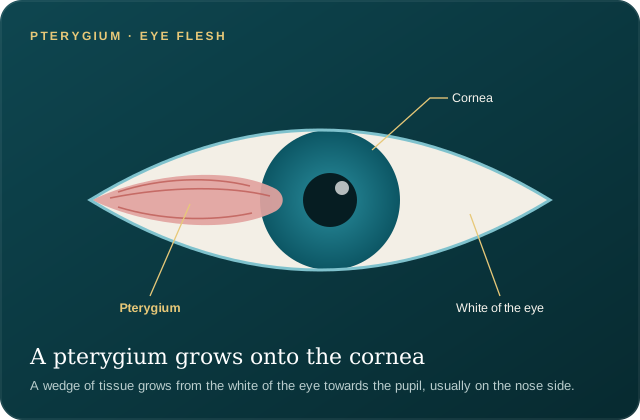
A pterygium is a wing-shaped growth of the eye's surface membrane, the conjunctiva, that creeps onto the cornea, usually from the nose side. It can cause redness, grittiness and irritation, and as it grows it can distort the cornea and blur vision. A pinguecula is a related yellowish bump that stays on the white of the eye and rarely needs surgery.
When surgery is advised
Not every pterygium needs an operation. Removal is usually advised when it is:
- growing towards the pupil
- changing your spectacle number by distorting the cornea
- repeatedly inflamed despite drops
- affecting the measurements needed before cataract surgery or LASIK
- troubling you by its appearance, once the chance of regrowth has been discussed
A small, stable pterygium is often watched, with lubricating drops and sunglasses for comfort. Drops ease symptoms but do not remove the growth.
How pterygium surgery is done
The procedure is done under local anaesthetic as a day-care operation. The growth is removed, and the bare area is covered with a thin graft of your own conjunctiva, taken from under the upper eyelid. This autograft lowers the chance of the pterygium growing back. The graft is held in place with tissue glue or fine stitches. Where the procedure will be done is confirmed at your consultation.
Can it come back?
Yes. A pterygium can regrow after surgery, most often within the first year. The autograft reduces this risk. Wearing wraparound sunglasses outdoors, using lubricating drops in dusty conditions and finishing the full course of drops after surgery all help, and follow-up visits in the first year pick up any regrowth early.
Other minor procedures
Chalazion (eyelid cyst)
A chalazion is a firm lump in the eyelid from a blocked oil gland, and it is usually not tender. Many settle with warm compresses over a few weeks. One that persists can be drained through the inside of the eyelid in a short procedure.
Eyelid lumps
Eyelid lumps are watched, removed or sent for laboratory examination depending on what they look like. A lump that grows, bleeds, changes colour or causes lashes to fall out should be checked, not treated as a cosmetic problem.
Small particles on the eye
Dust or a small particle stuck on the surface of the eye can be removed at the slit lamp. A high-speed fragment, from grinding or hammering for example, or anything that has pierced the eye, is an emergency. Do not try to remove it yourself.
Chemical splash: rinse the eye straight away with plenty of clean running water for at least 20 minutes, then go to the nearest emergency department. Severe pain, sudden loss of vision or an object stuck in the eye also need emergency care. Do not wait for a WhatsApp reply.
Recovery and aftercare
After pterygium surgery the eye is usually patched overnight. Expect redness and a gritty feeling for two to four weeks while the graft settles. Drops continue for four to six weeks, desk work is usually possible within three to five days, and outdoor work within one to two weeks. The pterygium surgery guide covers each week in detail.
After an eyelid procedure, some bruising, swelling and tenderness are normal for a few days. Ask when you can return to work, driving, swimming and contact lenses.
Cost and insurance
Charges depend on the diagnosis, the procedure and whether a laboratory test is needed. Please call or WhatsApp the clinic to enquire. When pterygium surgery is done for a medical reason, many health policies cover it, so check with your insurer before the date is fixed.
About your doctor
Dr. Shirish Patel is a consultant eye surgeon at Advanced Eyecare Centre, Goregaon West.
- MBBS, Seth G.S. Medical College and KEM Hospital, Mumbai
- DNB Ophthalmology, PBMA's H.V. Desai Eye Hospital, Pune
- FICO (A+B)
- Registered with the Maharashtra Medical Council, Reg. No.: to be added
- Consultations in English, Hindi, Marathi and Gujarati
Education and training in full →
Visiting the clinic
Advanced Eyecare Centre
1st Floor, A Wing, Ariha Signature, 105, near Jain Sweets, Jawahar Nagar, Goregaon West, Mumbai 400104
Hours: Monday to Saturday, 10 AM to 2 PM and 5 PM to 9 PM. Closed on Sunday.
Phone: +91 98338 52420 · WhatsApp: +91 74003 22526
The clinic is in Jawahar Nagar, Goregaon West, within easy reach of Malad, Jogeshwari, Andheri and Kandivali. Open in Google Maps →
A WhatsApp or phone message is not an emergency service. For sudden severe eye pain or vision loss, go to the nearest emergency department.
Questions patients ask about pterygium and minor procedures
Does every pterygium need surgery?
No. A small, stable pterygium is often watched and kept comfortable with drops and sunglasses. Surgery is advised when it grows, affects vision or keeps getting inflamed.
Can eye drops remove a pterygium?
No. Drops ease redness and irritation, but only surgery removes the growth.
Can a pterygium come back after surgery?
Yes, it can. A conjunctival autograft, sunglasses outdoors and finishing your drops all lower the chance.
Does an eyelid cyst always need draining?
No. Many settle with warm compresses over a few weeks. Persistent or unusual lumps should be examined.
Can I remove something stuck in my eye myself?
Rinse gently with clean water and do not rub. If the particle stays, or it entered at high speed, see an eye doctor rather than trying to remove it.
What does pterygium surgery cost?
It depends on the procedure and where it is done. Please call or WhatsApp the clinic to enquire.
Is the clinic open on Sunday?
No. The clinic is open Monday to Saturday, 10 AM to 2 PM and 5 PM to 9 PM.
Sources: American Academy of Ophthalmology: pterygium · American Academy of Ophthalmology: chalazia · NHS: eye injuries
This page explains pterygium and minor eye procedures in general. It is not a diagnosis and does not replace an examination or an individual treatment plan. For sudden vision loss, severe eye pain or injury, go to your nearest emergency department immediately.