Patients call it eye flesh, or "maans", and usually arrive worried that it is something dangerous. It is not. A pterygium is a wing-shaped growth of the eye's surface membrane creeping onto the cornea, driven mostly by sun, dust and wind. The decision is not whether it is harmful. It is whether it is bothering you, and whether it is moving.
What it is, and why Mumbai grows so many
The conjunctiva is the clear skin that covers the white of the eye. In a pterygium, a patch of it thickens, fills with small blood vessels and grows onto the cornea, almost always from the nose side. Ultraviolet light is the strongest cause, with dust, wind, dry air and smoke close behind. That is why I see it in outdoor workers, two-wheeler riders, people who grew up in the sun, and anyone whose commute is long and exposed. Mumbai supplies all of it: strong sun, coastal wind, construction dust, and hours on the road.
Its cousin, the pinguecula, is a yellowish bump that stays on the white of the eye and never crosses onto the cornea. It can be irritating, but it very rarely needs surgery.
A pterygium is not cancer. Very occasionally a surface tumour can look similar, which is one reason a proper look under the slit lamp is worthwhile rather than a guess in the mirror.
What it does
Early on, mostly redness that flares in the sun, in dust, or after a late night, with a gritty, dry feeling. Many people are bothered more by how it looks than how it feels. As it grows, it pulls on the cornea and distorts its shape, which shows up as astigmatism and a spectacle number that keeps changing. If it reaches the zone in front of the pupil, it blocks vision directly. Growth is slow, over months to years, with flares in between, and some stop growing altogether.
When I advise surgery, and when I advise waiting
I recommend removing a pterygium when:
- It is growing towards, or into, the area in front of the pupil.
- It is inducing astigmatism that is changing your spectacle number.
- It keeps getting inflamed despite lubricants and short courses of drops.
- It is large enough to restrict eye movement or cause double vision, which is rare.
- Cataract or LASIK surgery is planned and the pterygium is distorting the measurements those operations depend on.
- Its appearance is genuinely troubling you. That is a legitimate reason, provided you have heard the conversation about recurrence.
I advise waiting when it is small, stable, nowhere near the pupil, and the symptoms are controlled with lubricating drops and sunglasses. In that case I photograph and measure it, and we look again in six to twelve months. No drop shrinks a pterygium. Drops manage the irritation; they do not treat the growth.
What the operation involves
It is a day-care procedure under local anaesthetic, drops plus a small injection, taking twenty to forty minutes. The growth is peeled off the cornea and the abnormal tissue beneath it is removed. The step that matters most is what happens to the bare patch left behind.
Leaving it bare, which was once standard, gives recurrence rates anywhere from 30 to 80 percent. It is no longer acceptable practice. The standard now is a conjunctival autograft: a thin piece of your own conjunctiva is taken from under the upper lid and laid over the gap, where it heals in and blocks regrowth. With a good autograft, recurrence falls to roughly 2 to 10 percent.
The graft is fixed with either fine sutures or fibrin glue. Glue means less grittiness, a quicker settle and a slightly higher cost. Sutures are absorbable or are removed at one to two weeks, and feel scratchy for that time. In recurrent or aggressive cases, an anti-scarring medicine called mitomycin C may be applied briefly during surgery. When there is not enough healthy conjunctiva to spare, after previous surgeries for example, an amniotic membrane graft is used instead.
I use a conjunctival autograft as standard. Removing the pterygium is the easy part. Keeping it from coming back is the whole game, and the graft is what does that.
Recovery, week by week
- Day of surgery, and day oneThe eye is patched overnight. Expect moderate burning and a foreign-body feeling for the first twenty-four to forty-eight hours, eased with paracetamol. The patch comes off at the day-one check and drops begin.
- Days two to sevenThe eye is red and the graft looks swollen. Blood under the graft is common and looks alarming; it clears in two to three weeks. Grittiness is normal, more so with sutures. Antibiotic and steroid drops continue on a tapering schedule for four to six weeks. Sunglasses outdoors. No water in the eye, no dust, no rubbing. Desk work from day three to five. Outdoor work from one to two weeks.
- Weeks two to sixRedness fades, the graft flattens, and sutures dissolve or are removed. The steroid taper matters: stopping early is one of the commonest reasons for regrowth, so finish the schedule even when the eye looks fine.
- Month threeThe final look. The graft line is faint, vision and astigmatism are re-measured, and new glasses are prescribed if the number has changed. Follow-ups continue at six and twelve months because that is when a recurrence, if any, shows itself.
Coming back, and how to lower the odds
Recurrence is more likely in people under forty, in fleshy, thick, very vascular pterygia, in growths that have already been operated once, and in anyone who goes straight back into the sun. Nearly all recurrences appear within the first year, which is why those follow-up visits are not optional.
What lowers the risk: wraparound UV-blocking sunglasses every time you are outdoors, a cap or helmet visor, lubricating drops in dust and air-conditioning, treating any dry eye properly, and finishing the steroid drops. If you smoke, stopping helps the surface of the eye as much as it helps everything else.
Cost and insurance
In Mumbai, pterygium surgery with a conjunctival autograft is generally quoted between ₹15,000 and ₹40,000 per eye. Fibrin glue costs more than sutures, and the figure also moves with the centre and the anaesthetic used. Most Indian health policies cover it as a listed day-care procedure when there is a medical indication: growth towards the pupil, induced astigmatism, or repeated inflammation. Purely cosmetic removal may be declined, so make sure the indication is documented in the doctor's letter before the claim goes in.
Because a pterygium changes the shape of the cornea, it is also worth reading about how that affects lens measurements for cataract surgery if that is on the horizon for you.
Questions patients ask me about pterygium
Is a pterygium dangerous? Can it cause blindness?
It is not dangerous and it is not cancer. Left to grow across the pupil it can blur vision significantly, both by blocking light and by distorting the cornea, but this is treatable with surgery and the vision usually recovers. A slit-lamp examination confirms the diagnosis and rules out the rare look-alikes.
Can a pterygium be cured with eye drops?
No. Lubricating drops and short courses of anti-inflammatory drops calm the redness and irritation, and they are the right treatment for a small, stable pterygium. No drop makes the growth shrink or disappear. Surgery is the only way to remove it.
Is pterygium surgery painful?
The operation itself is done under local anaesthetic and is not painful. The first one to two days afterwards bring moderate burning and a gritty feeling, which paracetamol handles. Fibrin glue tends to be more comfortable than sutures in that period.
How long is recovery after pterygium surgery?
Desk work within three to five days, outdoor work in one to two weeks. The eye stays red for two to four weeks while the graft settles, and drops continue for four to six weeks. The final result is judged at about three months, with checks at six and twelve months to watch for recurrence.
Will a pterygium come back after surgery?
With a conjunctival autograft, recurrence is roughly 2 to 10 percent. Bare-sclera removal without a graft recurs in 30 to 80 percent of cases and is no longer acceptable. Younger patients, fleshy growths and continued sun exposure raise the risk; sunglasses, lubricants and finishing the drops lower it.
What is the cost of pterygium surgery in Mumbai?
Typically between ₹15,000 and ₹40,000 per eye in Mumbai for excision with a conjunctival autograft. Fibrin glue is more expensive than sutures, and the centre and the anaesthetic used also move the figure. Ask for an itemised quote after the examination.
Is pterygium surgery covered by insurance?
Usually yes, as a listed day-care procedure, when there is a documented medical indication such as growth towards the pupil, induced astigmatism or recurrent inflammation. Removal for purely cosmetic reasons may be declined. Ask the surgeon to record the indication clearly in the recommendation letter.
What is the difference between a pterygium and a pinguecula?
A pinguecula is a yellowish bump on the white of the eye that stays there and never crosses onto the cornea. A pterygium is a wing-shaped, vascular growth that does cross onto the cornea and can affect vision. Both are caused by sun, dust and wind. Pinguecula rarely needs surgery; pterygium sometimes does.
About the author
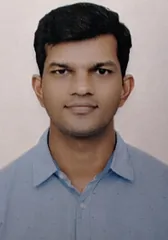
Dr. Shirish Patel is a Consultant Eye Surgeon at Advanced Eyecare Centre, Goregaon West, Mumbai. He trained at Seth G.S. Medical College and KEM Hospital (MBBS) and at PBMA's H.V. Desai Eye Hospital, Pune (DNB Ophthalmology), and holds the FICO (A+B). Over nine years of practice he has performed more than 8,000 cataract surgeries and 400+ refractive procedures. He also consults at Apex Hospitals, Kandivali and Envision Eye Hospital.
This guide is general information written to help you ask better questions. It is not a diagnosis and does not replace an examination. Where price ranges are mentioned, they reflect what is commonly quoted in Mumbai at the time of writing and will vary by hospital, technique and individual case. For sudden vision loss, severe eye pain or injury, contact the clinic or your nearest emergency department immediately.